How To Secure Pins On Backpack
Beginner-friendly templates, step-by-step guides,
and weekly project ideas in your inbox.
I’ve lost count of how many cherished pins have vanished from my backpacks over the years.
It’s a frustrating experience to look down and find a blank spot where a unique souvenir once sat.
This guide shares the reliable methods I’ve personally used to keep my pin collection safe and sound.
Quick Overview
This guide will equip you with practical strategies to prevent your pins from falling off your backpack. You’ll learn simple yet effective techniques to keep your collection secure.
- Time needed: 5-15 minutes per pin (depending on method)
- Difficulty: Beginner
- What you’ll need: Pins, backpack, various pin backs (rubber, locking, metal), pliers (optional), super glue (optional)
Step-by-Step Instructions
Step 1: Assess Your Current Pin Backs
Before you begin, examine the backs of your pins. Most pins come with a standard butterfly clutch or a basic rubber clutch.
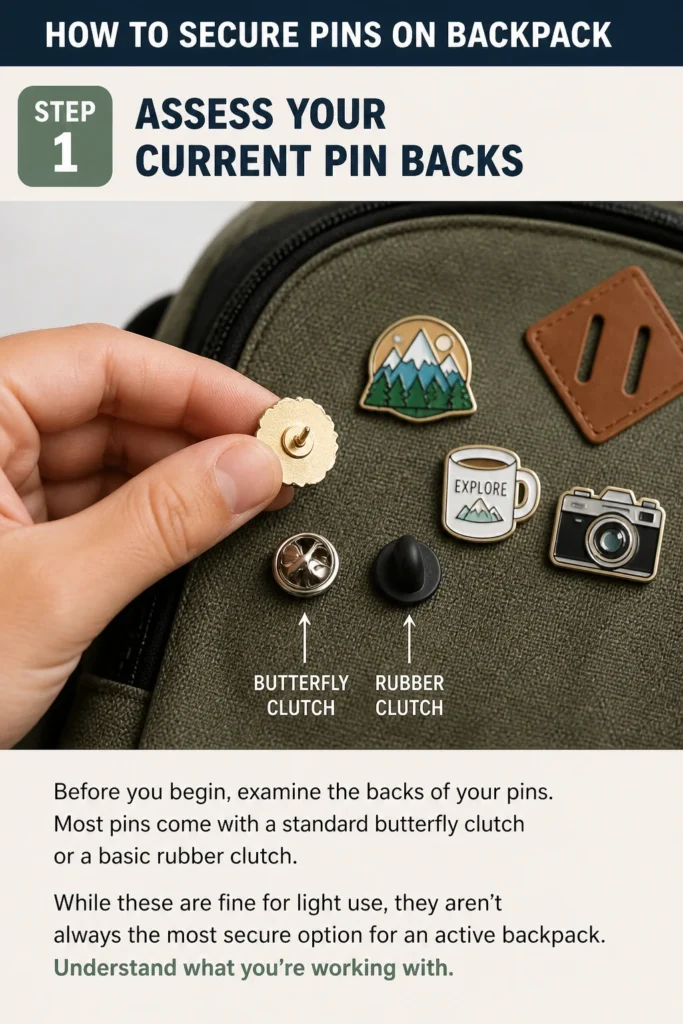
While these are fine for light use, they aren’t always the most secure option for an active backpack. Understand what you’re working with.
Step 2: Choose the Right Pin Back for Security
The type of pin back you use is crucial for security. Different backs offer varying levels of hold.
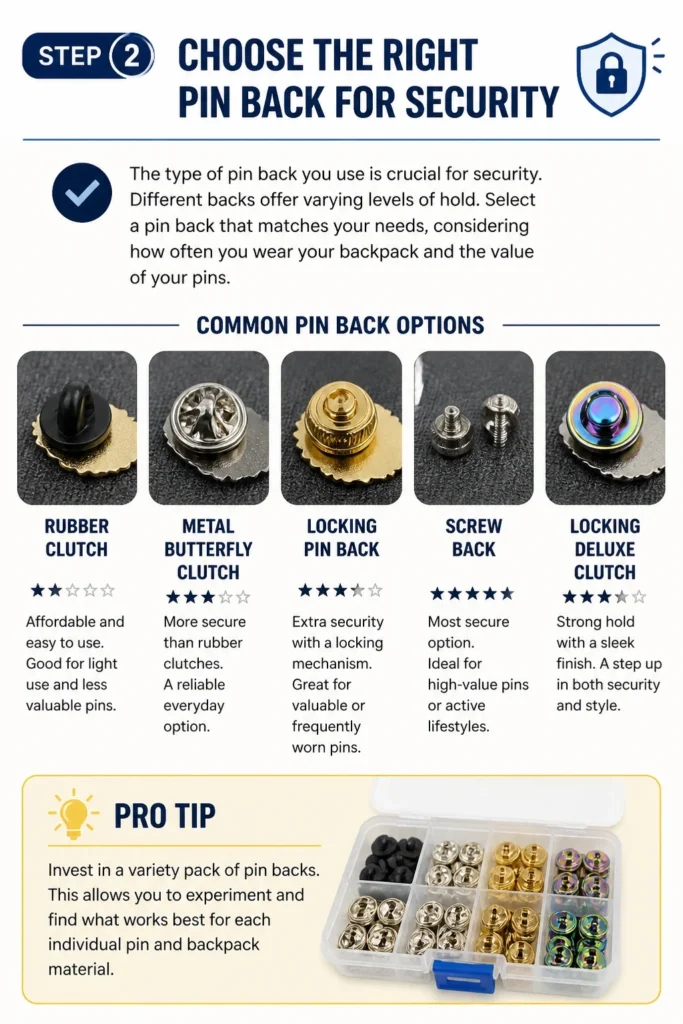
Select a pin back that matches your needs, considering how often you wear your backpack and the value of your pins.
Pro Tip: Invest in a variety pack of pin backs. This allows you to experiment and find what works best for each individual pin and backpack material.
Step 3: Utilize Rubber Pin Backs
Rubber pin backs are an upgrade from standard butterfly clutches. They offer a firmer grip on the pin post.
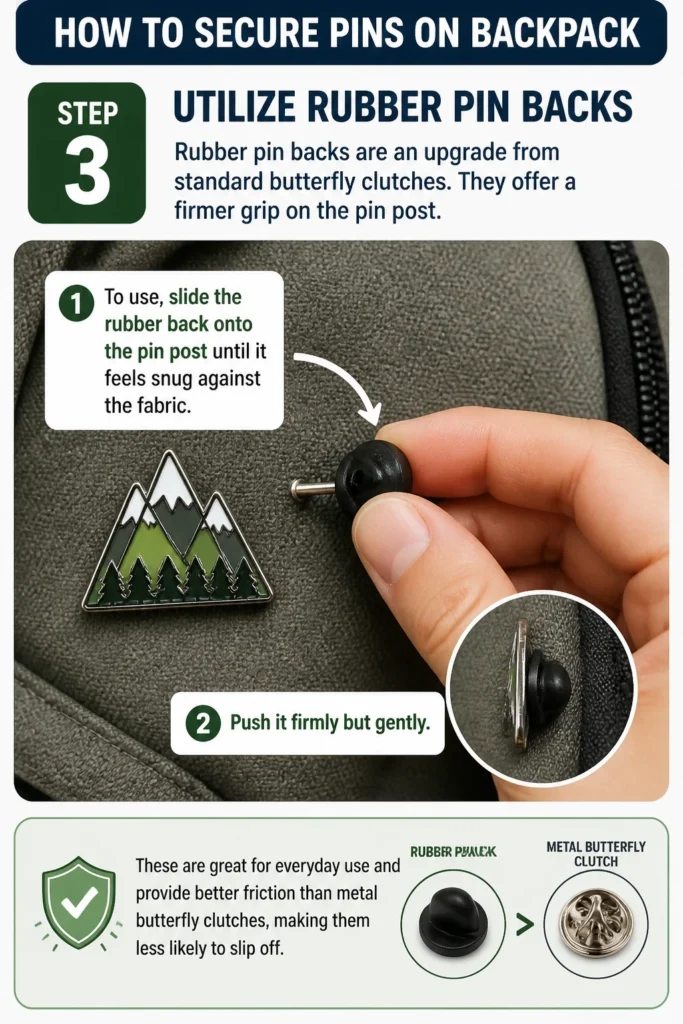
To use, slide the rubber back onto the pin post until it feels snug against the fabric. Push it firmly but gently.
These are great for everyday use and provide better friction than metal butterfly clutches, making them less likely to slip off.
Step 4: Employ Locking Pin Backs
For ultimate security, locking pin backs are the gold standard. These typically feature a small screw or spring mechanism.
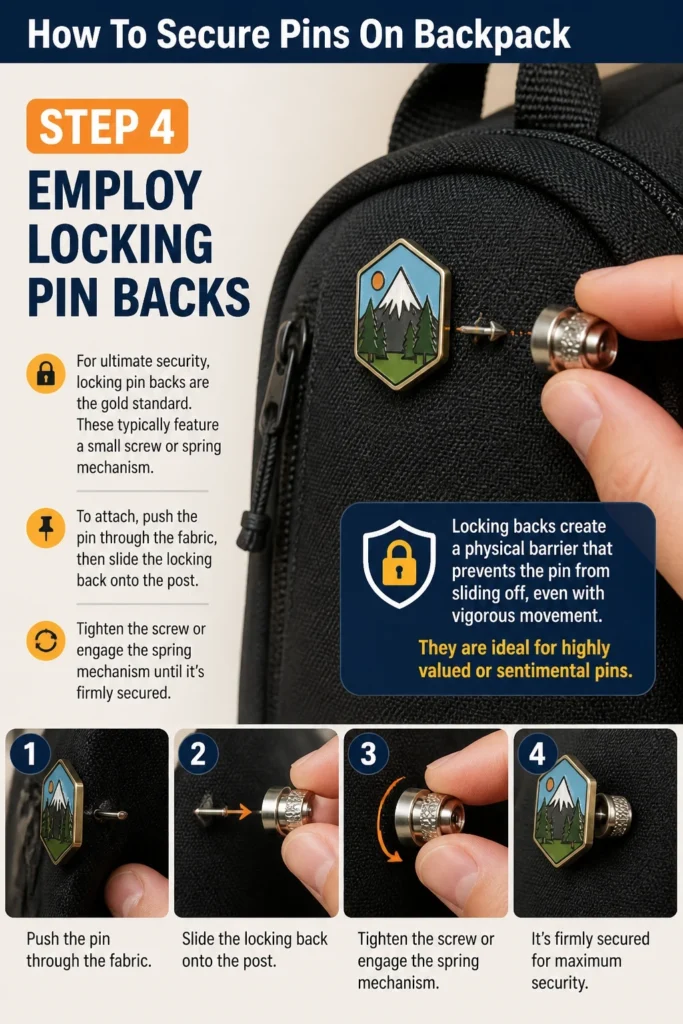
To attach, push the pin through the fabric, then slide the locking back onto the post. Tighten the screw or engage the spring mechanism until it’s firmly secured.
Locking backs create a physical barrier that prevents the pin from sliding off, even with vigorous movement. They are ideal for highly valued or sentimental pins.
Step 5: Reinforce with Metal Locking Clutches
Similar to rubber backs, metal locking clutches often have a small spring-loaded mechanism inside. You press a tab to release or secure them.
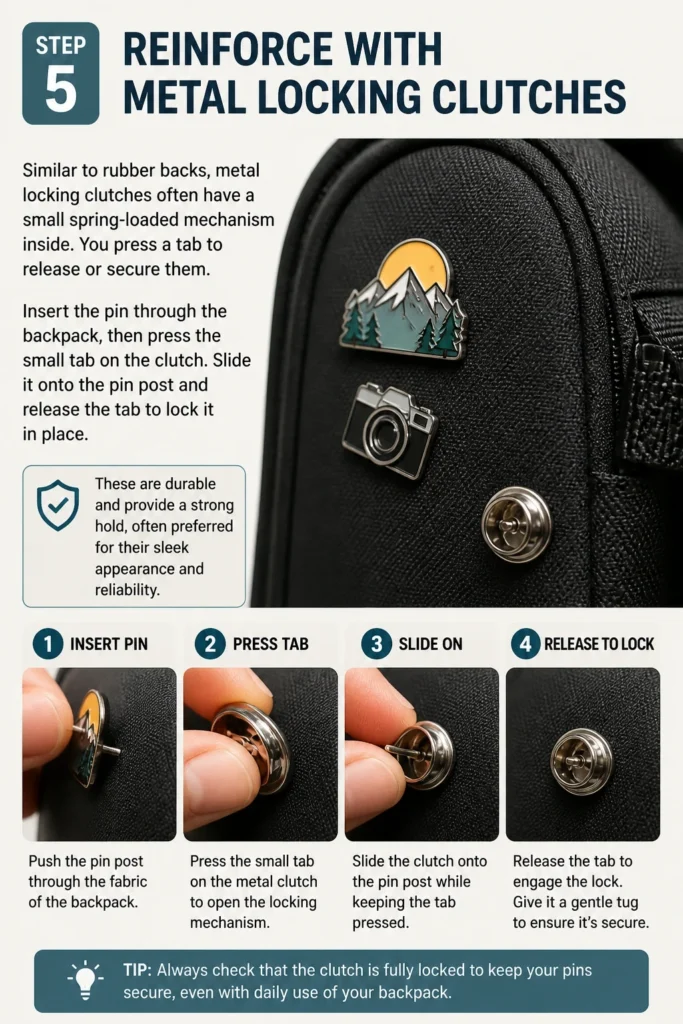
Insert the pin through the backpack, then press the small tab on the clutch. Slide it onto the pin post and release the tab to lock it in place.
These are durable and provide a strong hold, often preferred for their sleek appearance and reliability.
Step 6: Use Pliers to Crimp Standard Pin Backs (Carefully)
If you only have standard butterfly clutches, you can make them more secure. Gently crimp the two prongs of the butterfly clutch closer together with small pliers.
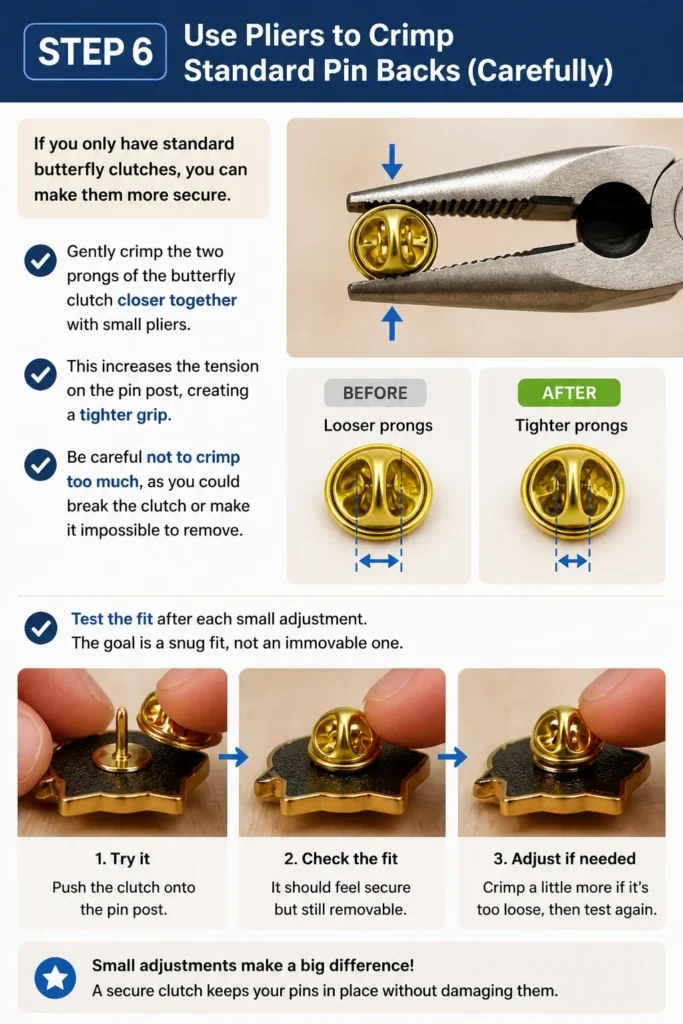
This increases the tension on the pin post, creating a tighter grip. Be careful not to crimp too much, as you could break the clutch or make it impossible to remove.
Test the fit after each small adjustment. The goal is a snug fit, not an immovable one.
Step 7: Apply a Dab of Super Glue (Permanent Solution)
For pins you never plan to remove, super glue offers a permanent solution. Apply a tiny dab of super glue to the pin post before attaching the pin back.
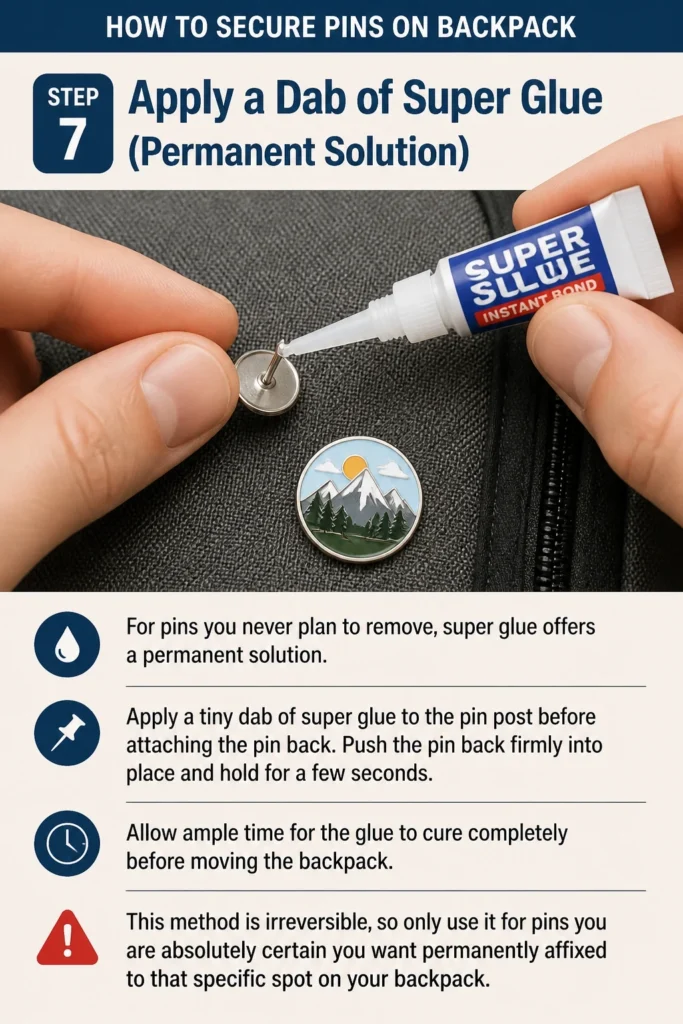
Push the pin back firmly into place and hold for a few seconds. Allow ample time for the glue to cure completely before moving the backpack.
This method is irreversible, so only use it for pins you are absolutely certain you want permanently affixed to that specific spot on your backpack.
Step 8: Strategically Place Pins
The location of your pins can also affect their security. Avoid placing pins on high-friction areas or parts of the backpack that frequently rub against other surfaces.
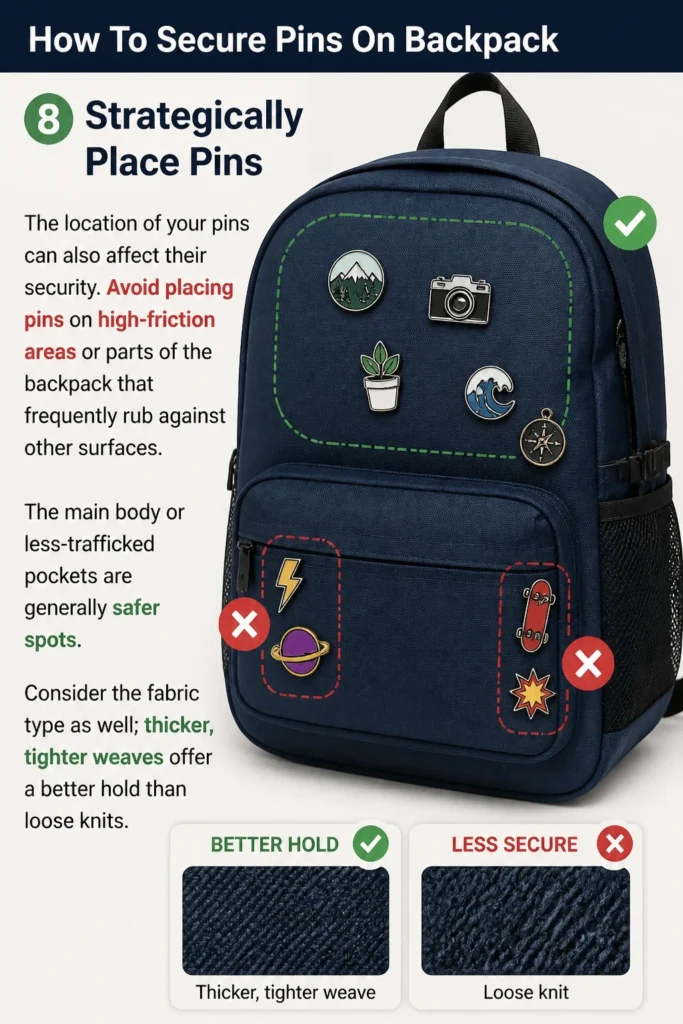
The main body or less-trafficked pockets are generally safer spots. Consider the fabric type as well; thicker, tighter weaves offer a better hold than loose knits.
Step 9: Regularly Check Your Pins
Even with the most secure backs, regular checks are important. Periodically inspect your pins to ensure they are still firmly attached.
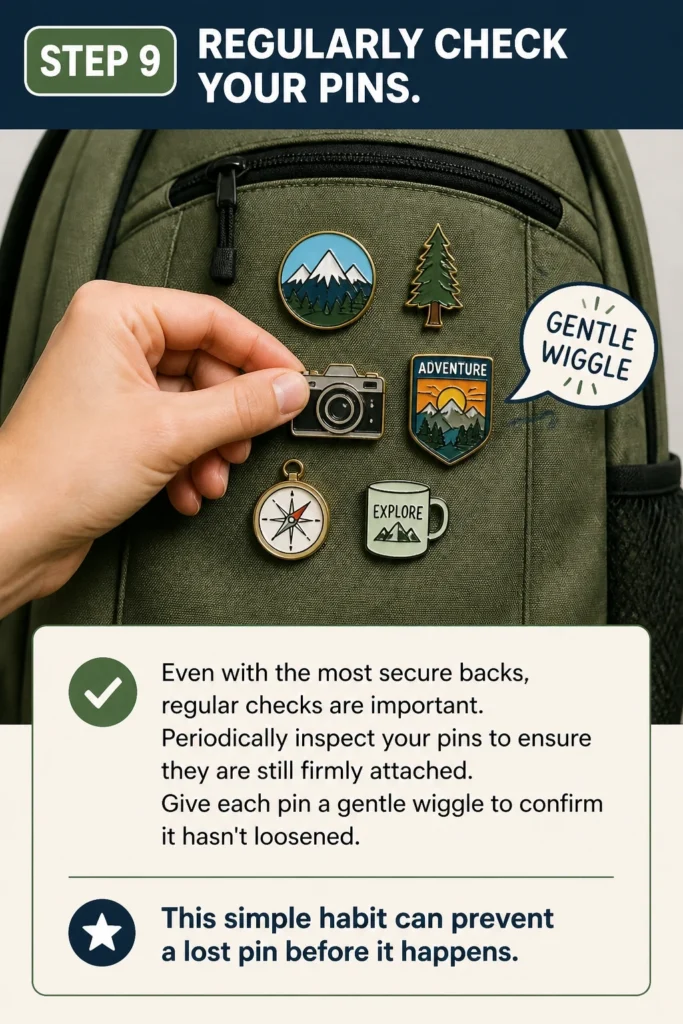
Give each pin a gentle wiggle to confirm it hasn’t loosened. This simple habit can prevent a lost pin before it happens.
Common Mistakes to Avoid
Using Standard Butterfly Clutches for Valued Pins
Many people rely on the basic metal butterfly clutches that come with most pins. These are notoriously insecure for items on a moving backpack.
They can easily slip off with minor bumps or snags. Always upgrade to a more robust pin back for any pin you care about keeping.
Overlooking Fabric Thickness
Trying to secure a pin through very thin or loosely woven fabric can lead to issues. The pin post may not have enough material to grip properly, making it more prone to falling out.
Choose a thicker, sturdier part of your backpack for pin placement. This provides a better foundation for the pin to hold onto.
Ignoring Loose Pins
Once a pin starts to feel a little loose, it’s already at risk. Procrastinating on re-securing it is a common mistake that often results in a lost pin.
Address any wobbly pins immediately. Either replace the pin back, try a different security method, or move the pin to a more secure location.
Not Testing New Pin Backs
Just because a pin back is advertised as “locking” doesn’t mean it’s foolproof for every pin and fabric combination. Different brands and designs can vary in effectiveness.
Always test new pin backs on a less valuable pin first, or give your backpack a good shake test before heading out with your entire collection.
Troubleshooting
Pin Keeps Falling Off Even With a Locking Back
If your pin with a locking back is still coming loose, the issue might be with the pin post itself or the fabric. The pin post might be too smooth or too short for the locking mechanism to get a firm grip.
Try repositioning the pin to a thicker part of the fabric. You could also try a different brand of locking back, as some have stronger internal mechanisms. Ensure the locking mechanism is fully engaged.
Pin Back is Too Tight to Remove
Sometimes a rubber or locking back can become very difficult to remove. This usually means it’s doing its job effectively, but can be frustrating if you want to move the pin.
For rubber backs, try twisting and pulling gently. For metal locking backs, ensure the release tab or screw is fully disengaged. Small pliers can sometimes help with a gentle grip and twist, but be very careful not to damage the pin or the back.
Pin Post Bends or Breaks
Bending or breaking a pin post often happens when forcing a pin through thick fabric or when using too much pressure with pliers. It can also happen if the pin itself is cheaply made.
If the post is bent, you might be able to gently straighten it with needle-nose pliers. If it breaks, the pin is likely unwearable unless you’re skilled at pin repair, which usually involves re-soldering a new post.
Key Takeaways
- Always upgrade from standard butterfly clutches for active wear.
- Locking pin backs offer the highest level of security for precious pins.
- Rubber pin backs provide a good balance of security and ease of use for everyday items.
- Strategic placement on your backpack can significantly reduce the risk of loss.
- Regularly check your pins for any signs of loosening or wear.
- Consider using super glue for permanent attachment of non-removable pins.
Frequently Asked Questions
Are all locking pin backs the same?
No, locking pin backs vary in design and quality. Some use a small screw to tighten onto the post, while others have a spring-loaded mechanism that clamps down. It’s wise to read reviews and choose reputable brands for better security.
Can I use super glue on any pin?
Super glue is best for enamel pins with metal posts. Be cautious with plastic-backed pins or those with delicate finishes, as the glue could damage them. Remember, it’s a permanent solution, so only use it if you never plan to remove the pin.
How many pins can I safely put on my backpack?
The number of pins depends on the backpack’s material and your personal preference. Overloading one area can stress the fabric, making pins more prone to falling off. Distribute them evenly and ensure each pin has a secure grip.
Will securing pins damage my backpack?
Using pins will always create small holes in the fabric. However, with careful placement and appropriate pin backs, the damage is usually minimal. Avoid forcing pins through very tight weaves, which can tear threads. Regularly checking for loose pins also prevents larger tears if a pin snags.
Your Pins, Secured for Every Adventure
Protecting your cherished pin collection doesn’t have to be a complicated task. By implementing these practical steps, you can confidently display your pins without the constant worry of losing them.
Take a few minutes today to upgrade your pin security. Your unique collection deserves to travel safely with you on every journey.
Beginner-friendly templates, step-by-step guides,
and weekly project ideas in your inbox.